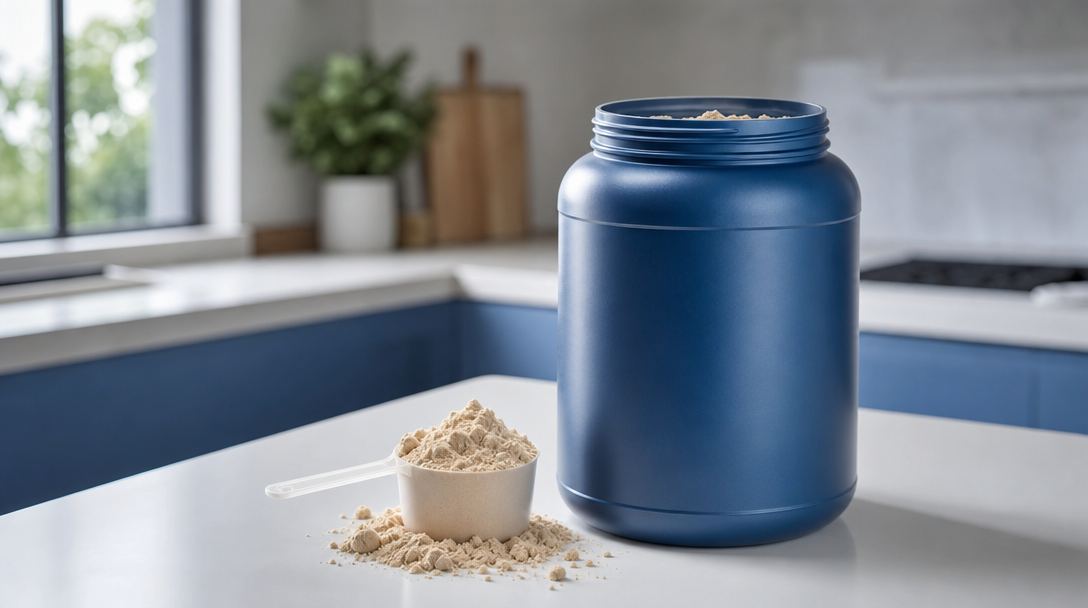
5 Signs Your Protein Powder Has Gone Bad (And When to Bin It)
Protein powder doesn't rot like a piece of fruit — it spoils quietly. No visible mould, no dramatic odour, just a slow decline in quality that most people never notice until they're halfway through a batch of shakes that taste "a little off."
Here's the uncomfortable truth: most Australians throw out more protein powder than they think they do. The tub in your pantry could be months past its prime, degrading in heat and humidity without any obvious sign. And while a stale shake won't hospitalise you, spoiled protein can cause digestive distress, off-putting flavours, and — in rare cases — expose you to bacteria or mould byproducts you really don't want in your gut.
At ProteinRanked, we get asked about this constantly. So we've put together the definitive guide: the five signs your protein powder has gone bad, why Australian conditions make it worse, and exactly when to bin it.
The Shelf Life Truth: Protein Powder Doesn't Last Forever
First, the basics. Unopened protein powder typically lasts 12–18 months from manufacture, and 2–6 months once opened — depending on the product type and how it's stored.
| Product Type | Unopened | Opened (sealed between uses) |
|---|---|---|
| Whey concentrate | 12–18 months | 3–6 months |
| Whey isolate | 18–24 months | 6+ months |
| Casein | 12–18 months | 4–6 months |
| Plant protein | 12–18 months | 3–6 months |
| Ready-to-drink shakes | Check expiry — typically 9–12 months | N/A (refrigerate after opening) |
These are general guides. The best-before date on the label is your legal baseline, but it assumes sensible storage. In practice, the Australian climate means powders often degrade faster than the label suggests.
Why Australia Is Tough on Protein Powder
Two factors make Australia uniquely hard on supplements:
Heat. If you live anywhere north of Sydney, summer pantry temperatures can hit 30–35°C on hot days — and kitchens routinely exceed that during heatwaves. Heat accelerates the Maillard reaction (the same browning that happens when you toast bread), which degrades protein quality and produces a stale, caramelised off-flavour.
Humidity. Australia's east-coast summers regularly sit at 60–80% relative humidity. Every time you open the tub, humid air rushes in. Protein powder is hygroscopic — it actively absorbs moisture from the air. Left unchecked, that moisture becomes the breeding ground for mould spores and bacteria.
Add in the fact that many Australians buy bulk 2kg+ tubs to save money (which is smart — see our budget guide), and you're often making a shake from powder that's been opened for five months through a full summer.
Sign #1: Hard, Caked Clumps That Won't Break Up
A little clumping is normal — protein powder compacts in transit and absorbs some moisture the moment you open it. You can fix light clumps by shaking the tub or pressing them through a sieve. That's not the warning sign.
The warning sign is clumps that are hard, waxy, or refuse to break apart even when you press hard. That texture means the powder has taken on significant moisture and the protein structure is changing. The clumps you see are partially re-hydrated protein — the same process that can lead to bacterial growth over time.
Here's the test: scoop out a serve, press it between your fingers. If it crumbles readily, you're fine. If it holds together like wet sand or has a greasy, solid feel — that powder is compromised. This sign alone doesn't mean it's dangerous, but it means the powder's protective low-moisture environment is gone, and everything downstream gets riskier.
What to do: If clumps are widespread, check for the other signs below before using. If they're localised to the top layer and the rest is fine, scoop them out, seal the tub properly, and use the rest quickly.
Sign #2: The Smell Test — Trust Your Nose
Fresh whey has a mild, slightly creamy or milky smell. Plant proteins have a subtle earthy, nutty aroma. Neither should smell bad.
If your powder has any of these smells, it's spoiled:
- Sour or rancid — similar to sour milk. This is fat oxidation and bacterial activity at work. Whey still contains some lactose and fat, both of which go rancid.
- Sharp, chemical, or solvent-like — an indicator of advanced oxidation, common when powder has been exposed to heat for long periods.
- Musty or mouldy — the smell of a damp towel left in a pile. This is the signature of mould growth, and it's the most serious of the three. Do not consume musty powder.
A helpful tip: smell the powder before you add water. Once it's in a shake, the flavour masking from sweeteners and chocolate can hide what your nose would otherwise catch. If you get a sniff of anything off, don't mask it with more flavouring — bin it.
Sign #3: The Taste Has Changed
Taste is the second line of defence, and it's the one most people ignore because they assume their shake just "needs more milk."
Changes to watch for:
- Bitter or soapy aftertaste — a classic sign of protein breakdown. As whey degrades, peptides break down into bitter compounds. If your usual brand suddenly tastes noticeably more bitter, that's a red flag.
- Stale, cardboard-like flavour — this is lipid oxidation in action. It's not dangerous in small amounts, but it means the protein quality and overall experience have degraded.
- Excessively sweet or chemical — the opposite direction. This can indicate the sweeteners have concentrated as moisture evaporated from the tub, or in rare cases, that the product has fermented slightly.
- Chalky, gritty texture change — protein powder should mix smoothly. If your shake has suddenly become chalky or leaves sediment, the powder's solubility has degraded, which happens as it ages and clumps.
The key question is always: does this taste different from when I first opened the tub? If the answer is yes, the powder has changed — and it's only going to get worse.
Sign #4: Visible Mould, Discolouration, or Bugs
This is the obvious one, but it's worth covering because the signs aren't always dramatic.
- Mould patches — green, blue, black, or white fuzzy spots. Mould needs moisture, so this almost always appears where water has gotten in: a wet scoop left in the tub, condensation from a cold drink being mixed directly in the container, or a lid left off in humid weather.
- Colour change — whey is naturally a creamy white to light yellow. If your powder has developed dark yellow, brown, or grey patches, that's oxidation and moisture damage. Discolouration is a strong signal the protein is degrading.
- Living things — pantry moths, weevils, or their larvae will happily take up residence in a powder tub left open. If you see any insects, webbing, or eggs, the tub is contaminated and must go.
The wet-scoop rule: never, ever put a wet scoop back into the tub. It introduces moisture directly into the powder and is the single most common cause of mould in Australian protein tubs. Have two scoops and rotate them through the dishwasher, or dry your scoop before dipping it back in.
Sign #5: It's Past Its Best-Before Date (Or You Can't Remember When You Opened It)
The best-before date on the tub isn't a "this will poison you" date — it's a quality guarantee. Past that date, the manufacturer no longer guarantees the protein content, flavour, or nutritional values on the label.
But here's what most people overlook: the opened-date matters more than the best-before date. A tub opened 9 months ago but "best before" in 2027 is more compromised than a tub opened last month that's technically past its date.
The practical rule:
- Unopened and past date by less than 6 months: probably fine, but expect some quality decline. Check the other signs first.
- Opened more than 6 months ago: regardless of the date, this powder has been exposed to air, humidity, and temperature swings for half a year. If it shows any other sign on this list, bin it.
- Opened more than 12 months ago: bin it. No exceptions. The cost of a new tub is nothing compared to the risk and the poor quality shakes you'll suffer through.
A simple habit fixes this: write the opened date on the tub with a marker the day you open it. Sharpie on the lid takes five seconds and eliminates all guesswork.
How to Store Protein Powder the Right Way
Good storage is the cheapest "insurance" you can buy. It dramatically extends the life of your powder, especially through Australian summers:
- Keep it sealed. This sounds obvious, but the lid must be fully closed after every use — not "rested on top." Airtight is the goal.
- Store it cool. A pantry or cupboard away from the stove and oven is ideal. Avoid windowsills, garage shelves, and anywhere that gets direct sun. If your kitchen runs hot in summer, consider the fridge — it extends shelf life significantly. (Just be aware it can condense moisture when you take it back out, so return it to the fridge promptly.)
- Keep it dry. Never introduce water or wet scoops. If your tub lives in a humid area, a food-grade silica gel pack in the tub helps absorb residual moisture.
- Buy what you'll use. If you're a one-scoop-a-day person, a 2.27kg tub is a 7–8 month commitment. A 1kg bag every 5–6 weeks is fresher and often works out similarly per serve. Our budget guide covers the price-per-gram math.
- Transfer bulk stock. If you buy 5kg bags (a common Australian value buy), keep only a month or two of powder in your daily-use tub and store the rest sealed in a cool, dry, dark place.
When in Doubt: Bin It
The honest advice from the ProteinRanked team: protein powder is cheap enough that nothing on this list is worth gambling on. A $40–$60 tub is the price of a modest dinner out. A bout of food poisoning, a mouldy shake downed during a busy morning, or two months of slowly-off shakes that you choke down out of stubbornness — all cost more than a fresh tub.
That said, don't be paranoid about every small clump. Powder that's a few weeks past opening, stored correctly, free of the signs above is perfectly fine to drink. Use this list as your checklist, not your anxiety trigger:
- Clumps that don't break up? → Check, and likely replace soon.
- Smells sour, rancid, chemical, or musty? → Bin it.
- Tastes noticeably different from when you opened it? → Bin it.
- Visible mould, discolouration, or bugs? → Bin it immediately.
- Opened too long ago or past the date? → When in doubt, bin it.
The Bottom Line
Protein powder is a shelf-stable product, but "shelf-stable" doesn't mean "immortal." Australian heat and humidity accelerate the degradation of every tub in your pantry, and the signs of spoilage — clumping, off smells, changed taste, mould, and age — are easy to miss if you're not looking for them.
The good news: with proper storage and the five-sign checklist above, you'll catch problems early, waste less money, and never have to choke down a stale shake again. And if you do find yourself binning a tub, that's the perfect excuse to check the ProteinRanked database for the best value replacement on the Australian market — fresher, cheaper per gram, and better-tasting than what you just threw out.
Last updated 2026-09-07. This article was researched and published by the ProteinRanked Team. Shelf-life figures are general industry estimates; always refer to the manufacturer's label. If you suspect food poisoning from any supplement, contact your GP or HealthDirect (1800 022 222). For personalised nutrition advice, consult an Accredited Practising Dietitian (APD).